Quick Answer
Yes, you can swim at Durdle Door, but with important caveats. The beach is not lifeguarded, the water is deep near the arch, there are strong currents, and tombstoning (jumping from the arch) is extremely dangerous and has caused serious injuries and deaths. Swimming close to shore on calm days is generally considered safe for confident swimmers.
The Full Guide
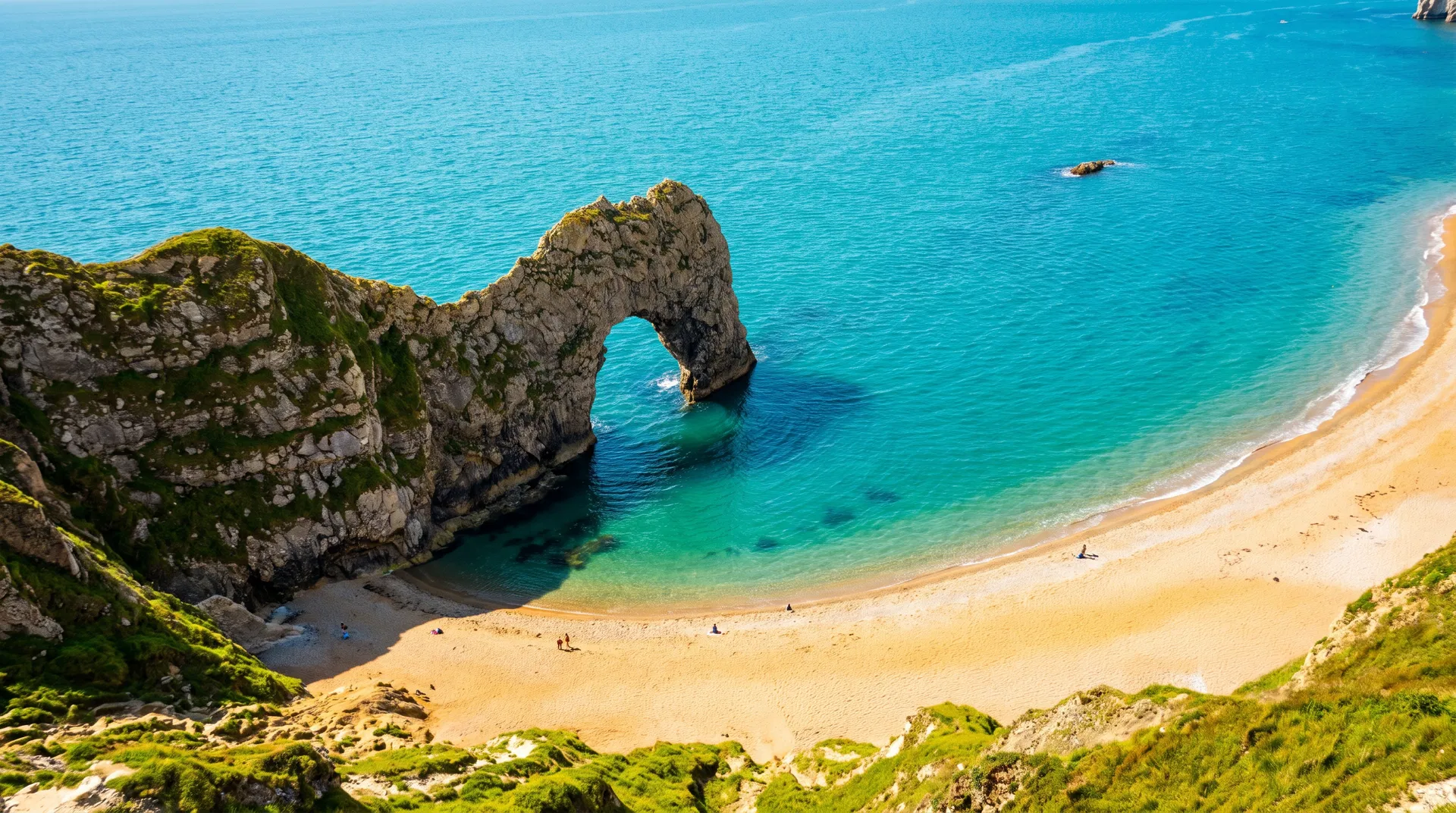
Durdle Door is one of the most photographed landmarks on the entire English coastline. The iconic limestone arch, carved by the sea over millions of years, sits on the Jurassic Coast World Heritage Site between Lulworth Cove and Bat's Head. The cove beneath the arch features a stunning crescent of shingle and sand, and the water is remarkably clear — often compared to Mediterranean beaches on calm summer days.
Swimming here is not prohibited. There are no bylaws preventing you from entering the water. However, it is an unlifeguarded beach, which means you swim entirely at your own risk. The Lulworth Estate, which owns the land, and Dorset Council both advise caution.
Safe Practices
- Swim close to shore on calm days
- Go with a companion, never alone
- Check tide times before you go
- Wear appropriate footwear on shingle
- Keep children within arm's reach
Dangers to Avoid
- Never jump from the arch (tombstoning)
- Avoid swimming near the arch base
- Don't swim in rough or choppy conditions
- Don't rely on mobile signal for emergencies
- Avoid inflatables — currents can pull them out
Getting There
Durdle Door is accessed via the Lulworth Estate car park at Durdle Door Holiday Park (postcode: BH20 5PU). Parking charges apply and it can fill up very quickly in summer — arriving before 10am is strongly recommended. From the car park, it's approximately a 20-minute walk down a steep path to the beach. The path includes steps and is not suitable for wheelchairs or pushchairs.
Facilities
There are no facilities at the beach itself — no toilets, no shops, no lifeguards. The nearest toilets and a small café are at the Durdle Door Holiday Park at the top of the hill. Lulworth Cove, a 30-minute walk along the coastal path, has a visitor centre, cafés, toilets, and a heritage centre.
Frequently Asked Questions
Is Durdle Door beach free to visit?
The beach itself is free, but you must pay for parking at the Lulworth Estate car park. There is no other practical way to access the beach.
Are dogs allowed at Durdle Door?
Yes, dogs are welcome at Durdle Door beach all year round. However, they must be kept under control, and you should be aware of the steep path down to the beach.
What is tombstoning and why is it dangerous?
Tombstoning is jumping from cliffs or the arch into the sea. It is extremely dangerous at Durdle Door because the water depth varies with the tide, there are submerged rocks, and the impact from the height of the arch (approximately 60 feet) can cause serious injury or death. Multiple people have been seriously injured here.
When is the best time to visit?
Early morning (before 10am) in summer for the best light and fewer crowds. The beach faces south, so it gets sun most of the day. Autumn can be beautiful with fewer visitors and dramatic skies.
Sources & Verification
- • Lulworth Estate — Official visitor information
- • Dorset Council — Beach safety guidance
- • RNLI — Water safety advice for the Jurassic Coast
- • Jurassic Coast Trust — UNESCO World Heritage Site information
Where to Eat Nearby

The Castle Inn, Lulworth Cove
A charming 16th-century thatched pub just a 30-minute walk from Durdle Door along the coastal path. Renowned for its locally sourced seafood, Dorset ales, and stunning views across Lulworth Cove. The perfect reward after a day at the beach.